Antarctic blue whales have grown from about 418 to 4,018 since illegal whaling ended in 1973
A new University of Washington-led study shows the planet's largest animals are slowly coming back, though they remain critically endangered.
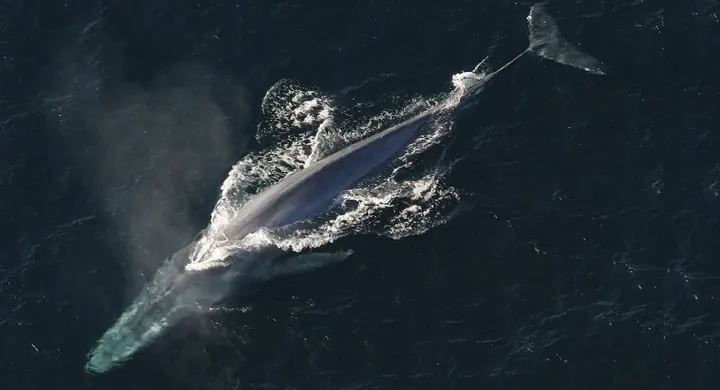
- 1973: about 418 whales
- Now: about 4,018
- Growth: about 4.5% a year
The comeback
Researchers led by Zoe Rand of the University of Washington combined old whaling catch records, photo-identification of individual whales and decades of ship surveys across the Southern Ocean. They estimate the population grew from about 418 animals in 1973 to 4,018, an average of about 4.5% a year.
Killing Antarctic blue whales was banned in 1964, but illegal hunting continued until 1973.
Why it matters
Blue whales breed slowly, with a calf about every three years, so this recovery took decades. They are 'ecosystem engineers': their feeding, waste and even their bodies after death feed thousands of other species. The population is still a small fraction of its pre-whaling size.