Eternal says its 100% EV delivery fleet by 2030 'doesn't look feasible' now that Zomato and Blinkit have 12 lakh riders
The parent of Zomato and Blinkit is redrawing its electric-fleet promise. 2035 is being discussed, but no new date is final.
- Riders then: ~1.5 lakh a month
- EV share in fleet: 12–13%
- Hiring needed: ~30 lakh a year
What happened
Eternal, the company behind Zomato and Blinkit, is reworking its goal of running a fully electric delivery fleet by 2030. Its chief sustainability officer, Anjalli Ravi Kumar, told PTI the old deadline "doesn't look feasible", while stressing the company is still committed to going electric.
A revised timeline is being prepared. 2035 is one option on the table, but Eternal says nothing has been finalised yet.
Why the target slipped
When the 2030 goal was set, Zomato had roughly 1.5 lakh monthly active delivery partners. Today Zomato and Blinkit together have about 12 lakh across some 900 cities, an eightfold jump driven largely by quick commerce.
Churn makes it harder still: Eternal says it has to bring on about 30 lakh people a year just to keep that 12 lakh base steady. Most partners buy or arrange their own vehicles, so the company can nudge them towards EVs but can't simply swap the fleet.
Where things stand
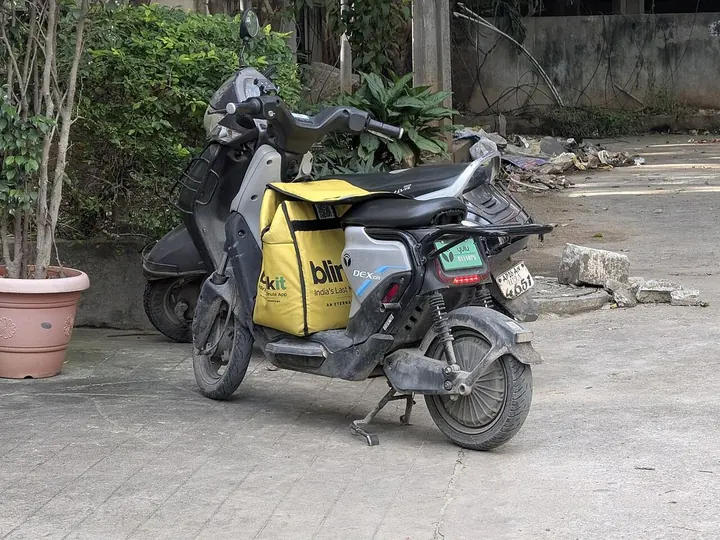
About 12–13% of Eternal's delivery partners already ride EVs, roughly double the 6–7% seen in the wider market. The company uses incentives, rentals inside the partner app and an 'EV Bazaar' guide rather than mandates, and EV riders earn the same as petrol riders.
The new target will also have to cover Hyperpure, Eternal's restaurant-supply arm, which runs trucks and small commercial vehicles.
Why it matters
Climate pledges made in 2020–21 are colliding with the explosive growth of 10-minute delivery. Eternal's rethink is an honest admission of that gap, and rivals with similar promises will be watched closely. Eternal says how fast it gets there will depend on EV supply and on how widely government EV policies are rolled out.